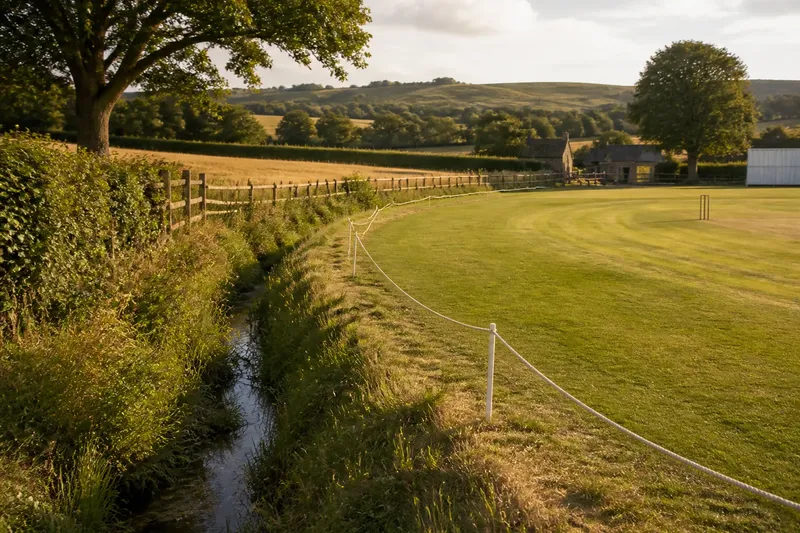
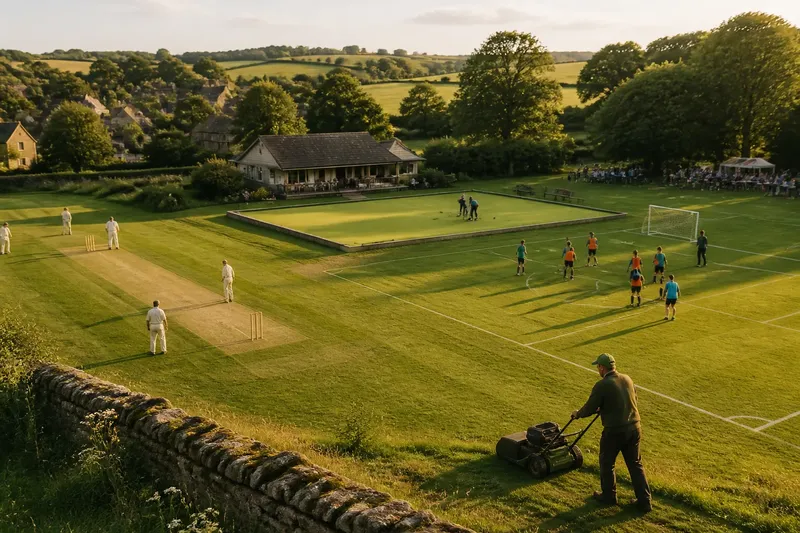
Pavilion or Touchline: Two Ways to Gather on Match Day
A pavilion or touchline gathering can shape match-day conversation and club ties. Choose a social base that fits the occasion without turning hospitality into a production.
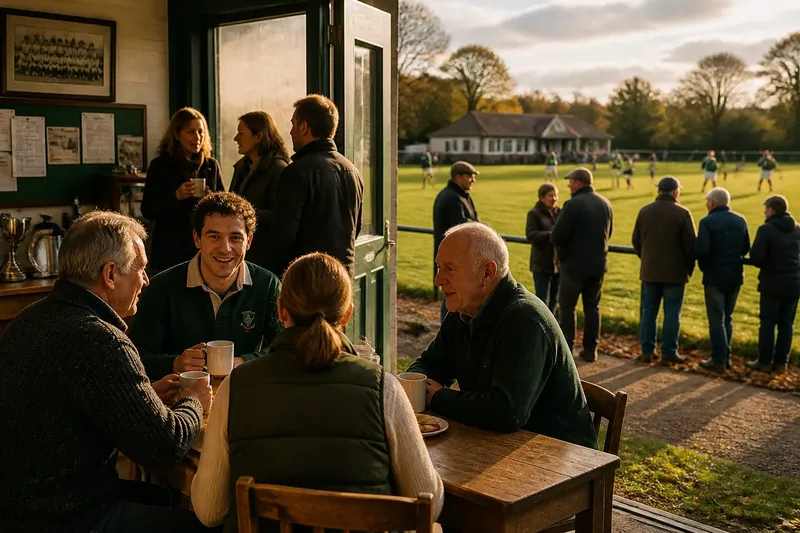
A pavilion or touchline gathering shapes match-day conversation before the first whistle. A pavilion gives club life a shared room; a touchline lets people follow the game together. The choice is less about which spot is better than what kind of club occasion each one makes possible.
Set the occasion
Start with the social purpose. A pavilion suits a gathering built around catching up, sharing tea, or welcoming visiting players. A touchline suits supporters who want the match itself to supply the conversation. Either can work for a mixed group; the useful question is what people should be able to do together.
Local clubs often use both places without making a production of it. The pavilion can serve as a meeting point before play and a place to talk during the interval, while the touchline brings spectators together during the match. That division gives the event a social rhythm without requiring everyone to spend the whole afternoon in the same spot.
Say a club is hosting a visiting team, with regulars and a few neighbors who seldom attend. It opens the pavilion as a shared meeting place, then asks one volunteer to point out the club’s customary post-match gathering. The expected result is that visitors can take part in the club’s social routine rather than merely finding a place to watch.
Pavilion rituals
A pavilion’s layout quietly shapes how people meet. A noticeboard can keep club news in view; a shared tea urn can give arrivals a reason to pause; and a table set aside for visitors can prevent them from having to guess whether every seat is spoken for. These are small arrangements, but they turn a building into part of the club’s social life.
Ritual matters more than decoration. Clubs might gather for tea after play, post team notices by the entrance, or use the pavilion for a brief welcome to visiting sides. A familiar routine makes the place feel shared rather than reserved for those who already know its customs. Keep the routine easy to understand and open to newcomers.
The pavilion can also hold club history in ordinary objects: a framed team photograph, a fixture board marked by hand, or a well-used trophy cabinet. These details give people something to ask about and give regulars a reason to tell stories. The aim is not to turn the room into a museum. A little evidence of collective memory is usually enough.
Touchline customs
The touchline has its own traditions. Supporters recognize familiar voices, greet players as they arrive, and share the small observations that accumulate over a season. The conversation is public and tied to the match, so a club’s character can be heard as much as seen.
That openness also calls for restraint. A lively crowd can welcome visitors, but constant commentary can make the gathering feel like a private conversation with an audience attached. Leave room for quiet, keep remarks respectful, and let people enjoy the game without having to perform enthusiasm on cue.
Touchline gatherings can also connect generations of club members. A longtime supporter may explain a local custom to a younger player or a visiting spectator; a child who has watched from the same spot may eventually become one of the familiar voices. The boundary is not just a viewing edge. It is a place where belonging becomes visible through repeated attendance.
Shared club identity
A club’s identity is not made only by its teams or results. It also comes from where people meet, who is invited into the conversation, and which customs survive from one season to the next. The pavilion and the touchline support different kinds of connection: one gives people time to talk away from play, while the other gathers them around a shared event.
Neither place should become the club’s unofficial inner circle. A room can feel closed if its routines are unexplained; a touchline can feel cliquish if regulars occupy the same stretch and talk only among themselves. A simple welcome, an open invitation to join the usual post-match gathering, or a short explanation of a club tradition can make the culture easier to enter.
Which gathering lasts?
What makes a pavilion feel welcoming?
Visible club customs, an open invitation, and a clear place for visitors to sit make the room easier to join. People should be able to understand its purpose without needing a private introduction to every regular.
What traditions suit a touchline?
Shared greetings, familiar match-day conversation, and respectful encouragement can give a boundary gathering its own character. Traditions work best when newcomers can join them without knowing every old story.
Can the club use both places?
Yes. The pavilion can host conversation before or after play, while the touchline brings people together around the match. Using both lets the club keep its social rituals without asking every spectator to take part in the same way.
How can newcomers join club customs?
Give them a brief explanation of the routine and an invitation to take part. A familiar volunteer can make the introduction, then let the newcomer choose how much to join in.
Keep customs open
Useful club customs are easy to repeat and easy to explain. Before a match, agree on who will welcome visiting players and whether the pavilion or a post-match gathering is open to spectators. If the answer is unclear, settle it in advance and tell the people who are likely to be asked.
- Observe whether the pavilion door is open to spectators; if it is, invite visitors inside, and if it is not, identify the club-approved shared space instead.
- Observe whether the noticeboard explains the usual gathering; if it does, direct newcomers to it, and if it does not, ask a club volunteer to explain the routine.
- Observe whether visitors have a clear place to sit; if they do, point it out, and if they do not, ask a host to make room rather than leaving them to guess.
- Observe whether the tea or refreshment routine is open to guests; if it is, explain how to join, and if it is not, tell guests where the public gathering takes place.
- Observe whether the post-match custom is clear; if it is, invite visitors to join, and if it is not, have a regular explain the plan before people disperse.
- Observe whether the touchline conversation welcomes different voices; if it does, let it continue naturally, and if it does not, ask a familiar supporter to include newcomers in the exchange.
Imagine a club’s usual tea gathering happens in the pavilion after matches, but visiting players do not know whether they are invited. The host checks that the room is open, asks a regular to set aside a shared table, and tells the visiting captain that tea follows play. The resulting decision is clear: guests are welcome at the table, while any club-only business can be held separately. The custom remains intact, but the invitation is no longer left to guesswork.
A pavilion or touchline gathering can give club life a recognizable center without making membership feel like a password. Make the custom visible, explain it plainly, and leave room for people to join at their own pace. That is how a match-day routine becomes a tradition others can inherit.